With the extension of its approvals to new sectors, Ecomaison is mobilizing to accelerate the recycling of plastics of all kinds and for a wide variety of uses on a national scale. To structure this sector and maximize the incorporation of recycled plastic in new products, we are launching an ambitious call for tenders. Gwendal Michel, R&D Manager, and Romain Lecointre, Purchaser, explain.
Why has plastic recycling become such an important issue for Ecomaison?
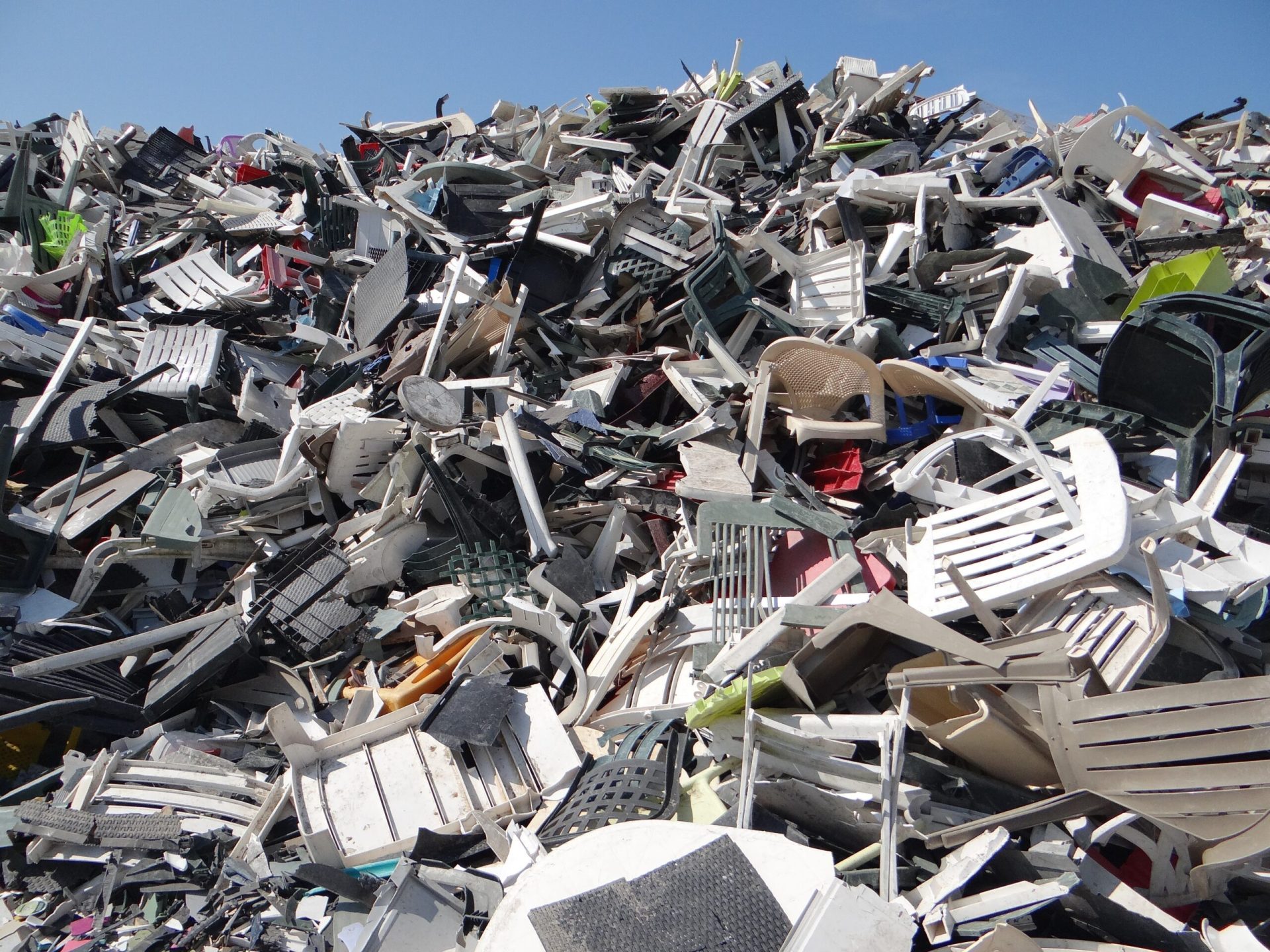
Romain Lecointre: Because the situation changed in 2022. Before, we had only one certification—for the furniture components sector. Plastic accounted for a small portion of the materials we collected, since it came solely from outdoor furniture. Moreover, it was generally relatively easy to sort and process.
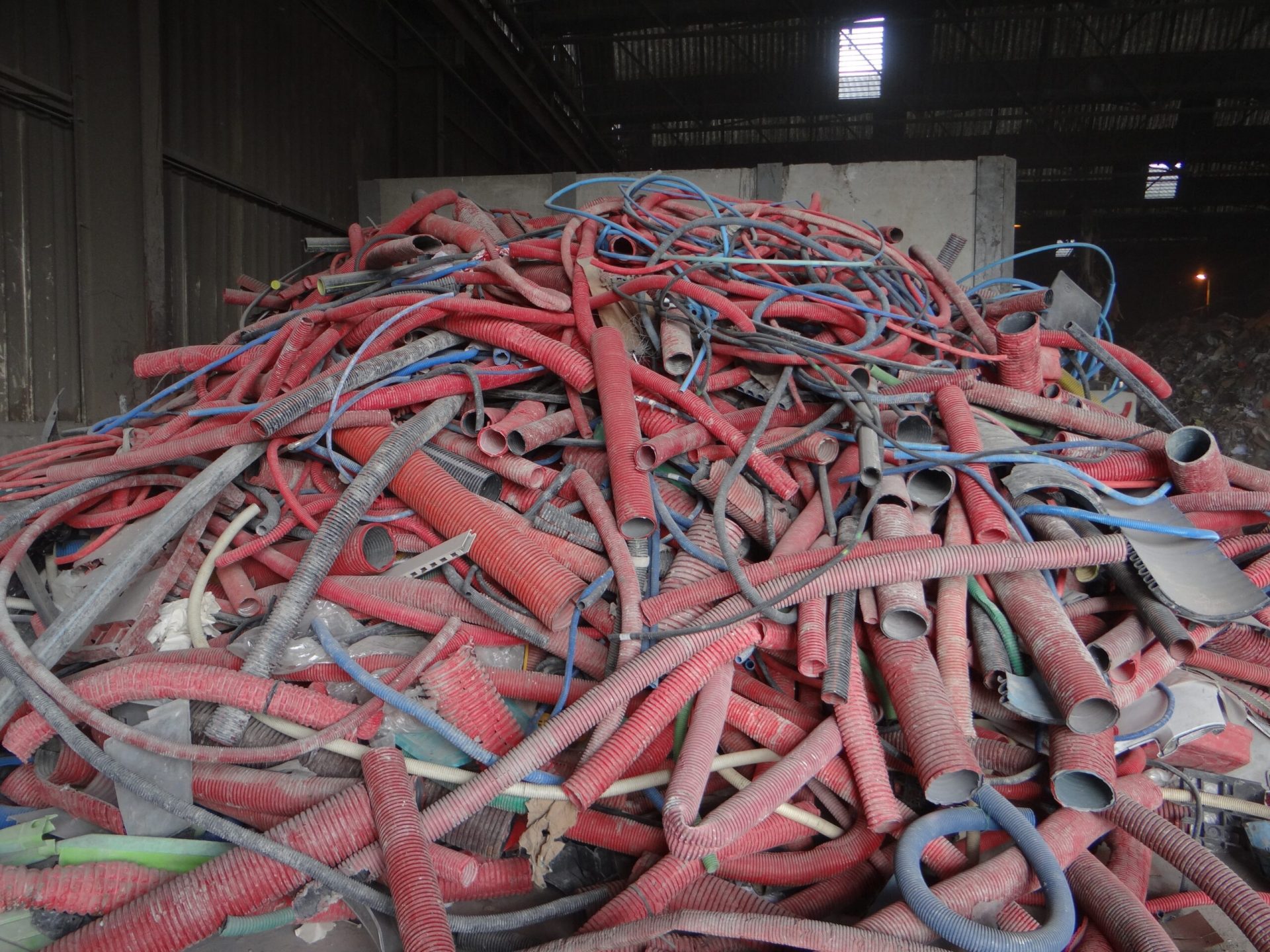
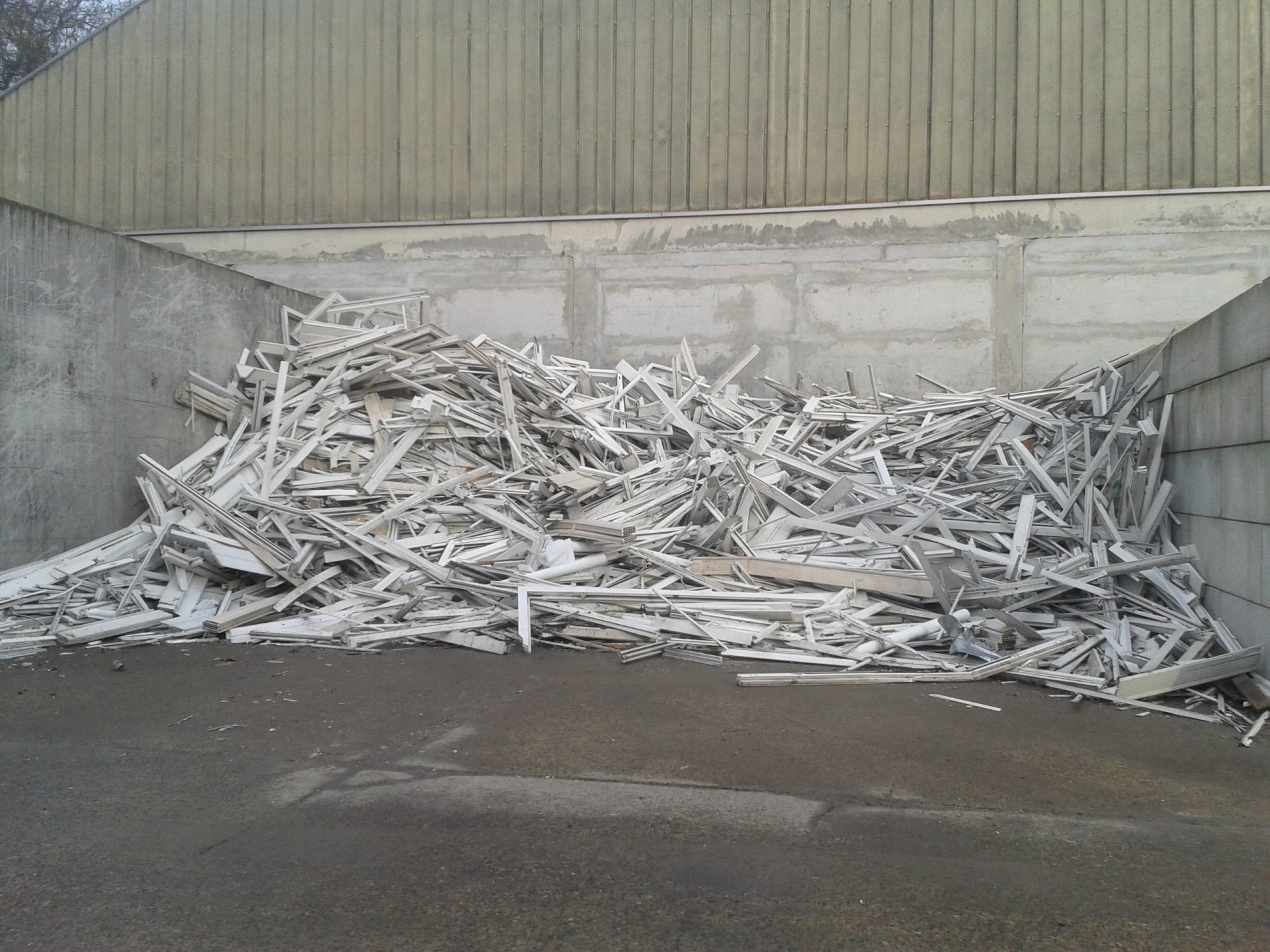
We are now certified for three additional product categories: toys and games (non-electric), products and materials for the building construction sector, and finally, DIY and gardening supplies. These items come in a wide variety of sizes, shapes, colors, and—most importantly—plastic resins. Our challenge is to find technical solutions for sorting and recycling each of these items: we have committed to this through our certifications. This is the very purpose of the request for proposals we are issuing.

Operator consultation
Ecomaison is issuing a call for proposals to identify partners committed to the sorting, preparation, recovery, and innovation related to the recycling of plastics from the EPR (Extended Producer Responsibility) sectors, for which Ecomaison is certified.
This call aims to strengthen the national post-consumer plastic recycling sector.
Call for innovation projects
Become our partner in the recycling of plastics and foams (including elastomers).
Are you a waste sorting and processing operator, a recycler or remanufacturer, a technology provider, or a manufacturer or distributor interested in incorporating recycled materials?
Is it just a technical issue?
Gwendal Michel: It’s also about sparking manufacturers’ interest in recycled plastic by offering them resins tailored to their manufacturing processes, while ensuring a net cost equivalent to that of virgin resins. This challenge has become even more critical since the drop in hydrocarbon prices in 2024, which has made petroleum-based plastic more attractive.
Recycled plastic must therefore become a natural choice, as it is both environmentally friendly and competitive. With these new approvals, we have already gone from collecting 5,000 metric tons annually to a projected 10,000 metric tons by 2025.
These resins can be processed by recycling operators and reprocessors to create new plastic formulations. This is a real challenge, given the complex circumstances facing French companies.

“It’s also about sparking manufacturers’ interest in recycled plastic by offering them resins tailored to their manufacturing processes, while ensuring a net cost equivalent to that of virgin resins.”
Gwendal Michel
R&D Manager
Romain Lecointre: The primary goal is to find operators who are technically capable of sorting and preparing plastics to facilitate their reuse by manufacturers and market operators—Ecomaison members—on production lines.
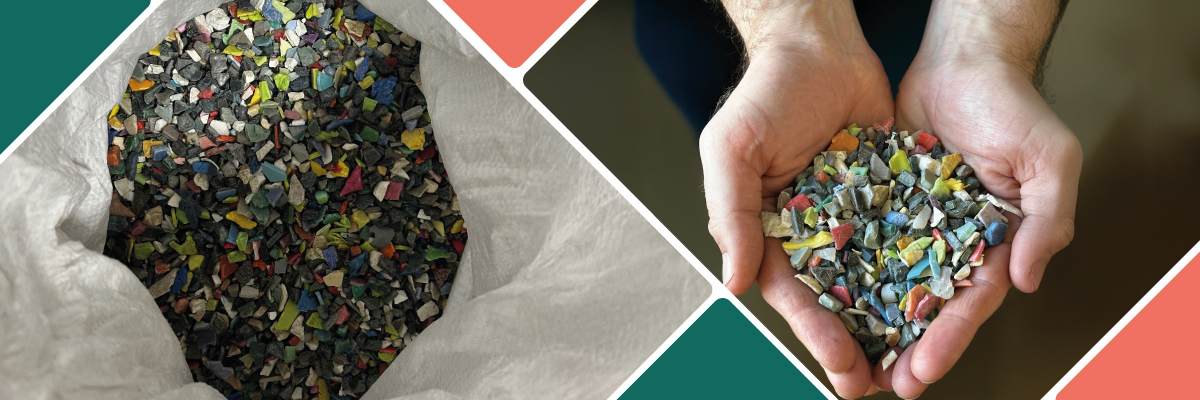
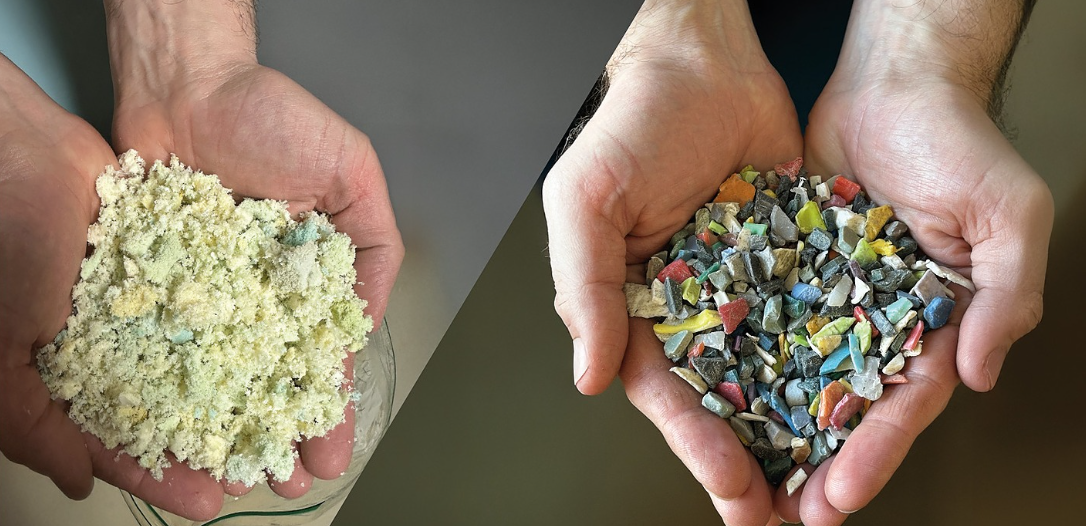
To top it all off, we are also looking for partners capable of performing resin regeneration—that is, producing resins that meet manufacturers’ specific technical specifications and allow them to directly substitute virgin resin with this regenerated resin.
We also want to work with as many operators as possible to provide a dense network across all of France. This will result in lower CO2 emissions and lower transportation costs. The goal of this strategy is to enable our members to source Ecomaison recycled resin locally—either in shredded or regenerated form—to lay the foundation for a circular economy, which creates local value and strengthens regional ties.

““This call for bids is intended to allow operators to propose their plastic sorting solutions that best match each of the three streams we now distinguish: large rigid plastic items, small rigid plastic items, and flexible plastics.”“
Romain Lecointre
Buyer – Ecomaison
Why is it essential to focus on innovation to improve plastics sorting and recycling?
Gwendal Michel: Because today, the plastic recycling industry in France is not very well organized. Our role is to support operators in this process. The idea is to encourage and support those who adopt innovative processes, and to help them choose the most effective ones.
Ecomaison identifies technologies, tests them in real-time with their suppliers, and then facilitates their implementation in existing sorting lines by providing financial support for operators’ investments.
We also help facilitate connections with manufacturers and distributors to ensure that as much recycled plastic as possible is incorporated into new products. Our approach is highly proactive, and we strive to fully understand our members’ needs in order to identify the sorting and recycling processes that will produce a material that meets their requirements. Understanding the end-user’s needs is a key factor in the equation.
In addition to this innovation partnership, we provide a bonus for incorporating recycled materials to encourage our member manufacturers to use post-consumer materials; this bonus is proportional to the effort made to incorporate recycled materials into their products.
Incorporate post-consumer recycled material
- These innovation projects will also enrich the Ecomaison recycled materials presentation platform with new materials and new qualities!
Can you give us an example of a technology you'd like to see emerge?
Gwendal Michel: We are currently testing several methods: next-generation infrared optical sorting of shredded plastic, which allows us to sort plastics by type and color; triboelectricity, which involves separating plastics from one another based on their ability to become electrically charged; and flotation, which allows us to differentiate them based on their density.
By supporting the integration and industrial-scale development of these processes on operators’ production lines, we aim to accelerate the transition toward a concrete and efficient circular economy. This encompasses everything from the collection of plastic waste, through its sorting, to the production of formulated resins that meet the needs of our members—all while incorporating the maximum possible share of our Ecomaison waste streams.
Understanding the technical needs of each of the intermediaries in this recycling and production chain will enable us to envisage new uses for locally-produced resins! This is a real plus, highlighting the expertise of the recycling professions and enabling us to minimize the overall carbon footprint of these resins.